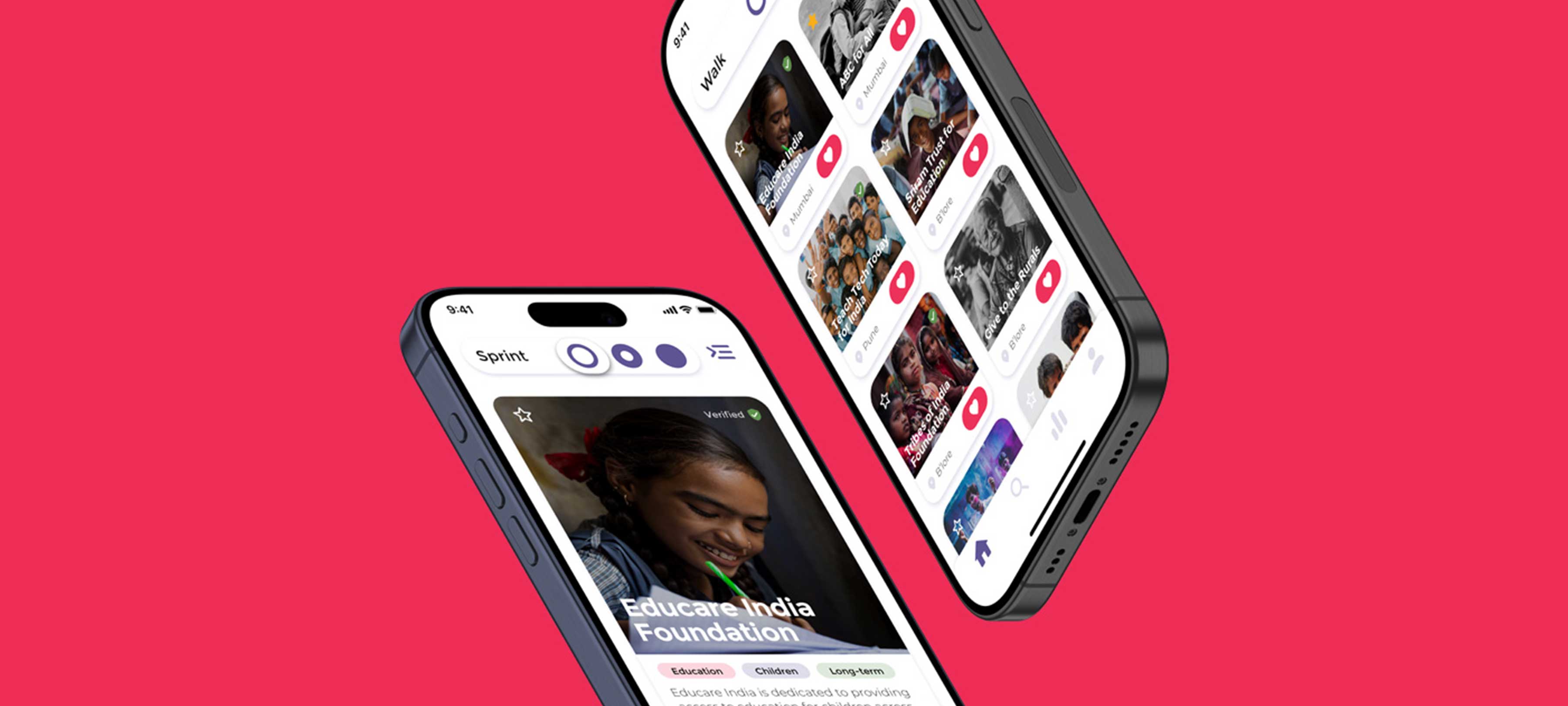
A charitable organization needed to engage millennials and Gen Z donors who were disengaged from traditional giving models, requiring a mobile app that made donations fun, impactful, and socially engaging. We designed a gamified donation experience through a rapid design sprint, creating an intuitive interface that increased user interest in giving through personalized cause curation and engagement mechanics.
The charitable sector faces a critical challenge: millennials and Gen Z demonstrate strong social values but have significantly lower traditional donation rates than older generations. These younger donors are disengaged from conventional giving models—they find traditional charity interactions impersonal, lack transparency into impact, and don't align with their digital-first lifestyles. The client needed to bridge this gap with a mobile app that would resonate with younger users while maintaining the integrity and seriousness of charitable giving. The challenge was complex: make donations engaging without trivializing important causes, provide transparency and impact visibility that younger donors demand, create social and gamified elements that drive sustained engagement, design for mobile-first users with short attention spans, and curate causes in ways that feel personally relevant rather than overwhelming. The app needed to transform charitable giving from an obligatory, occasional activity into an engaging, habitual behavior that felt natural to younger generations.
The client understood that reaching younger donors required fundamentally rethinking the charitable giving experience. Traditional donation models weren't working—they needed a mobile-first, engaging approach that aligned with how millennials and Gen Z actually interact with causes they care about.
We employed a design sprint methodology to rapidly develop and validate the concept. This allowed us to quickly prototype, test with real users, and iterate based on feedback—critical for understanding what would actually drive engagement versus what we assumed would work.
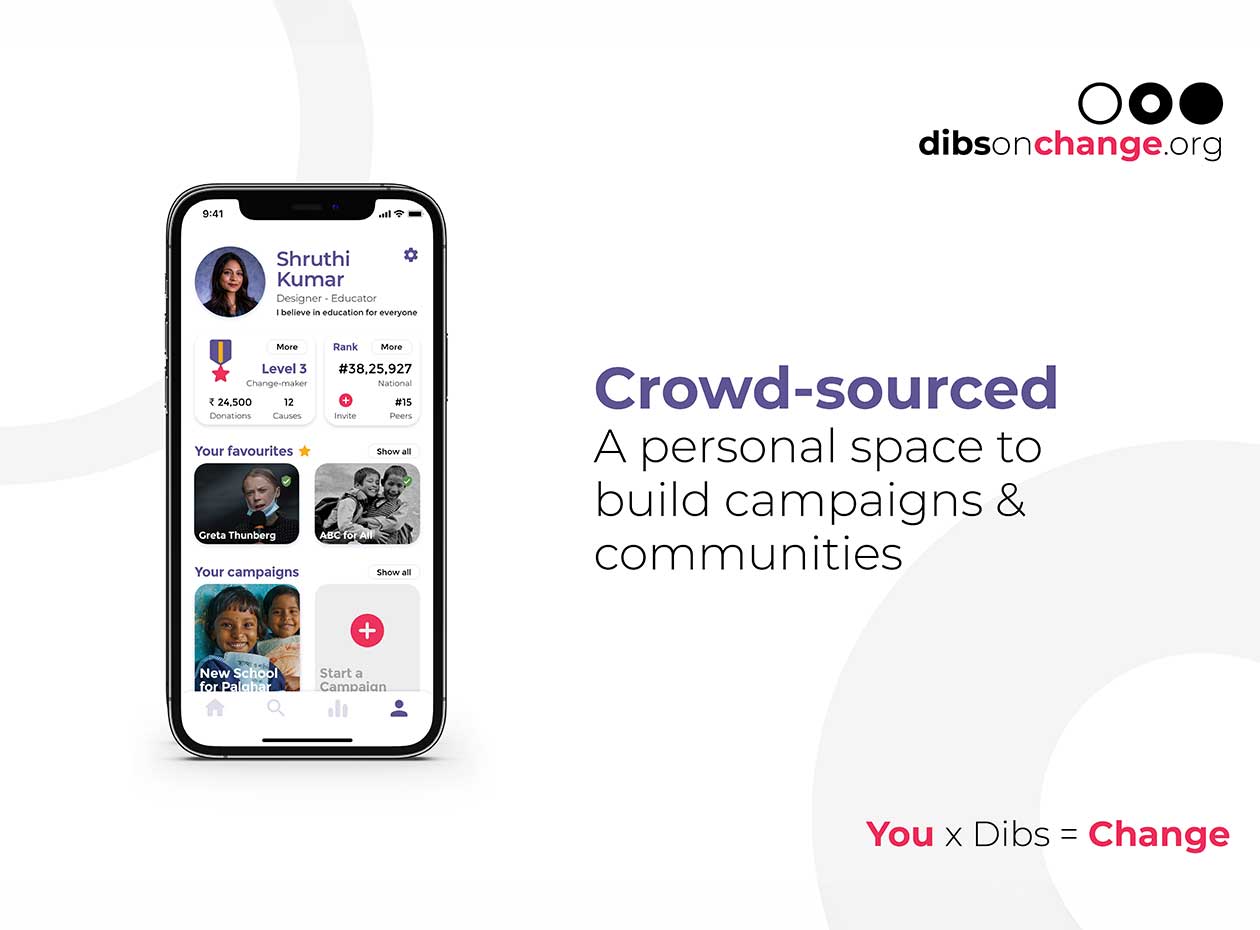
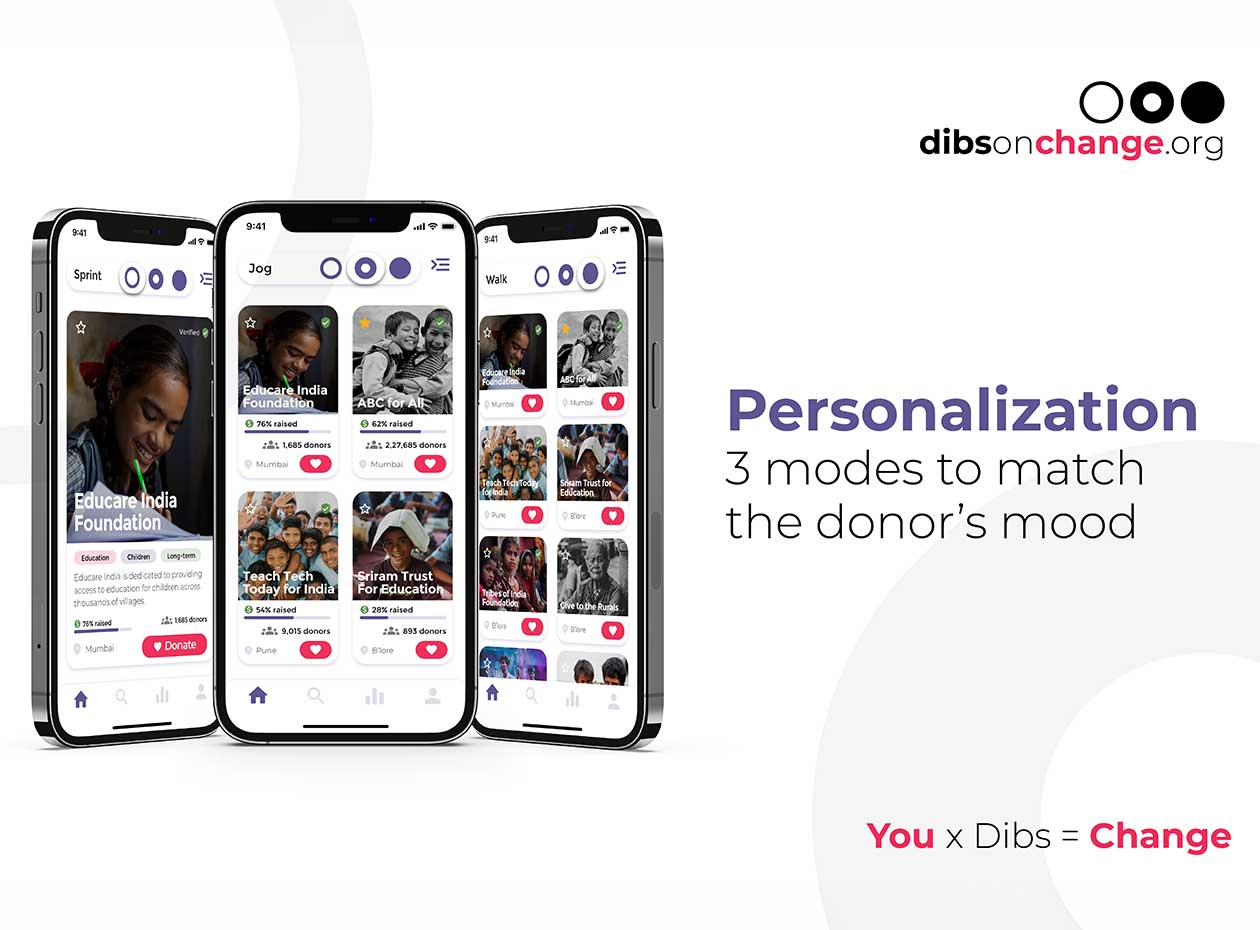
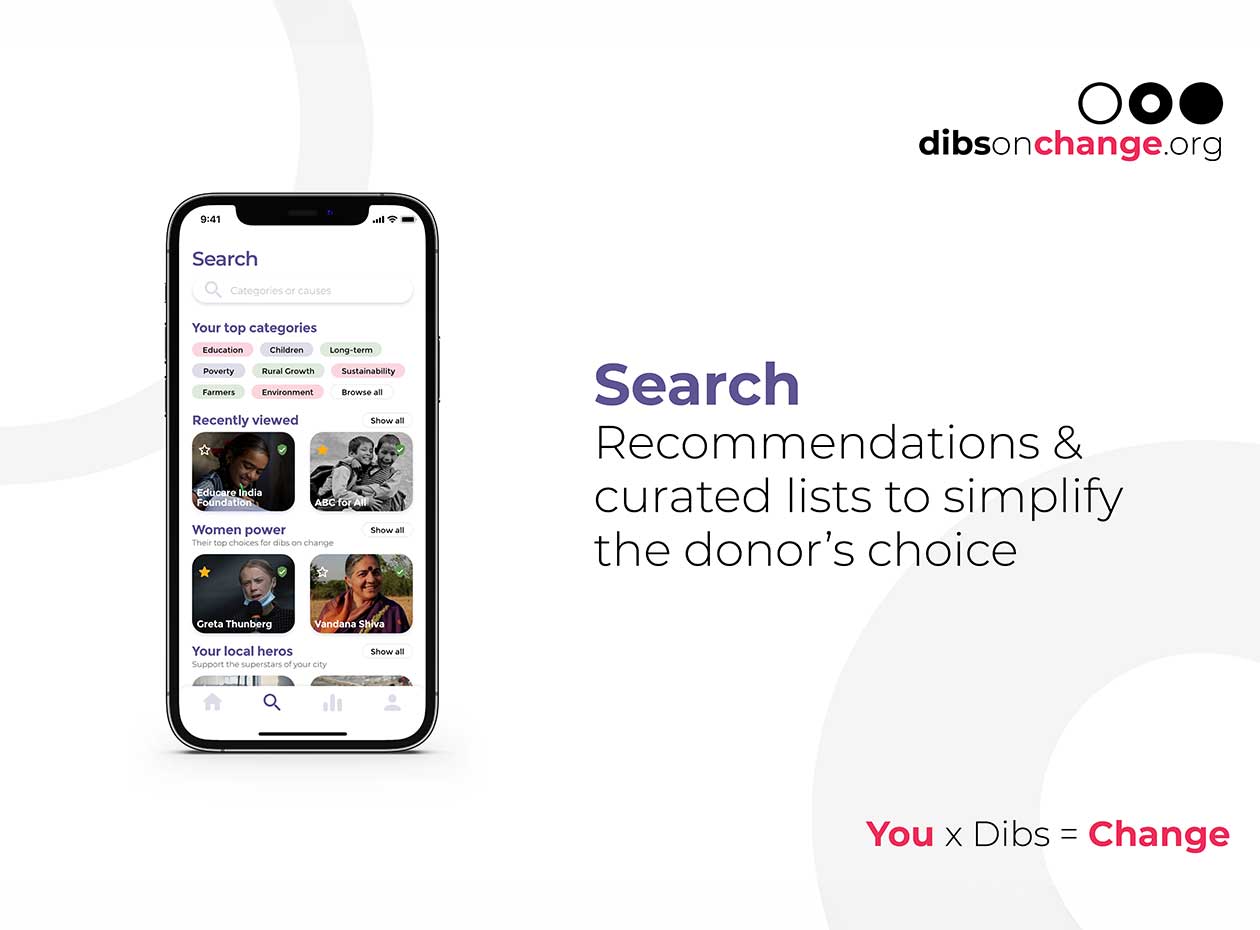
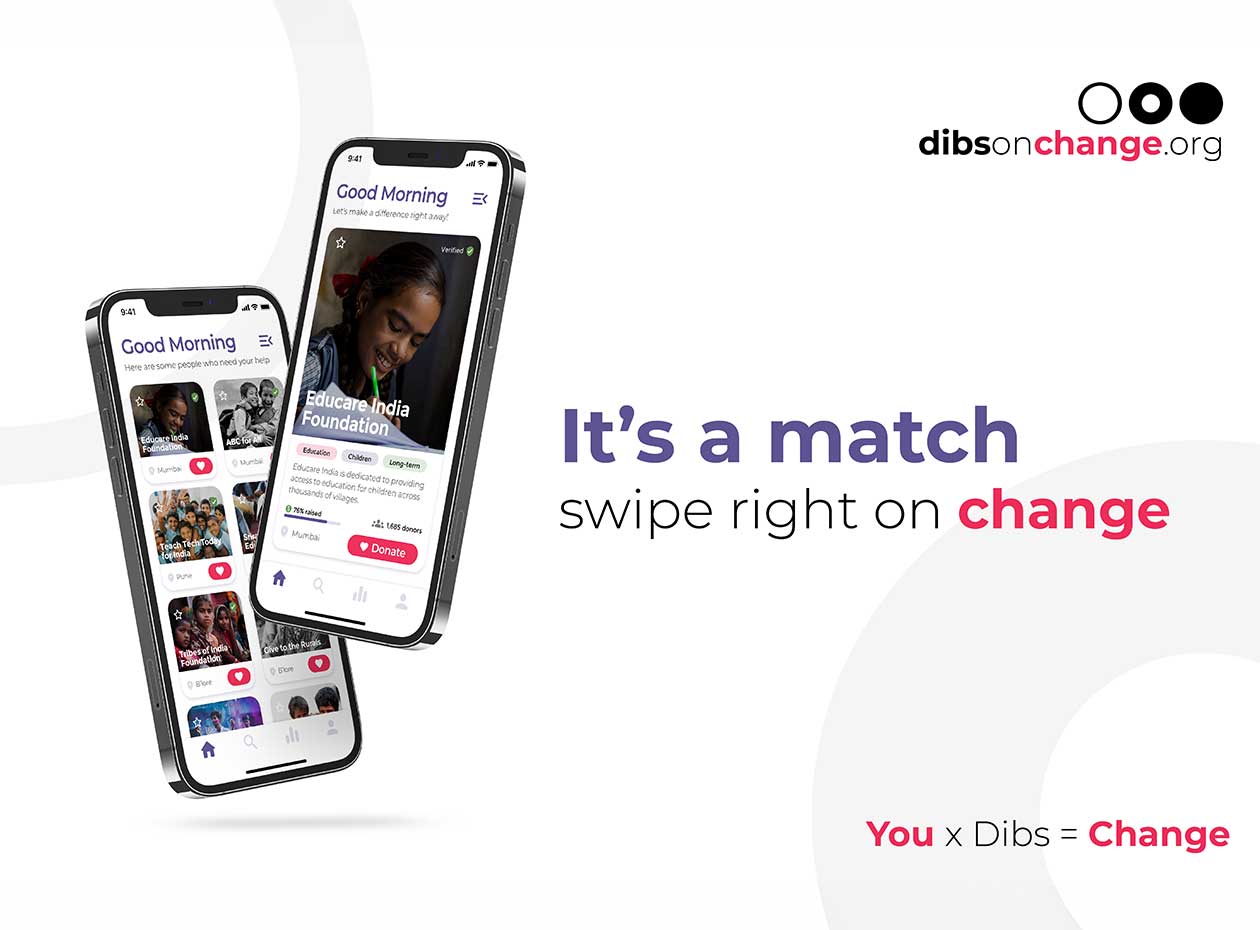
The UX/UI strategy focused on three core pillars: gamification mechanics that made giving fun and rewarding without trivializing causes, personalized cause curation that showcased issues users genuinely cared about rather than overwhelming them with options, and transparency features that showed direct impact of donations to satisfy younger donors' demand for accountability.
The interface design balanced playful engagement with respectful presentation of serious causes. We created intuitive donation flows that reduced friction while maintaining trust, incorporated social elements that let users see their impact within community context, and designed clear impact metrics that made abstract charitable outcomes tangible and visible.
Initial user testing revealed significant increases in interest in giving. The curation metrics proved pivotal—when users saw causes that resonated personally, their engagement and willingness to donate increased substantially. The app successfully transformed charitable giving into an activity that felt natural and engaging for younger audiences.